
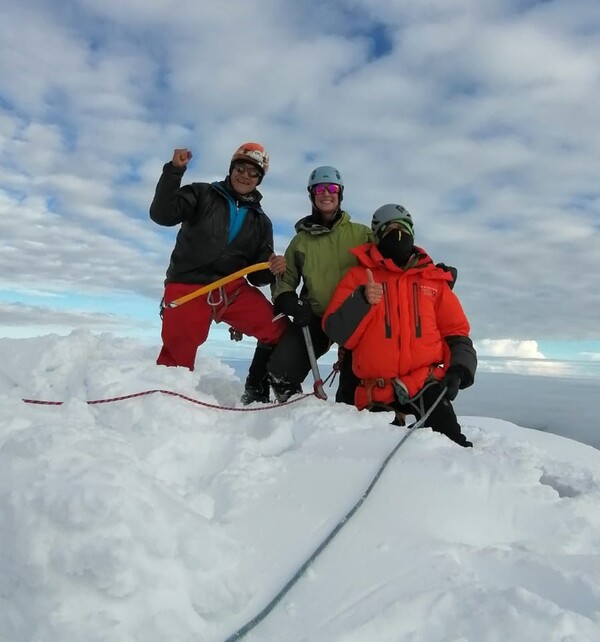
Climbing Cotopaxi or Chimborazo is one of the most rewarding mountaineering adventures in Ecuador. These two snowcapped volcanoes, rising above 5,800 and 6,300 meters, offer an unforgettable high-altitude experience in the heart of the Andes.
Season to Climb Cotopaxi or Chimborazo
The season for climbing Cotopaxi or Chimborazo runs from June to September and from November to February. During these months, weather conditions are generally more stable, providing clearer skies and firmer glacier surfaces — essential factors for a safe and successful ascent.
Although it is possible to climb these volcanoes throughout the entire year, these two main seasons are the most popular among mountaineers. The June to September period is often considered the dry season, characterized by crisp mornings, sunny days, and stronger winds in August. On the other hand, the November to February period tends to be more humid, bringing occasional snowfalls that cover the volcanoes with a fresh white layer, creating spectacular high-Andean scenery.
Regardless of the season you choose, the Andes offer breathtaking views and unique climbing experiences — each period with its own beauty and challenges.
Acclimatization and Preparation
Proper acclimatization is the foundation for a successful climb. Before attempting Cotopaxi or Chimborazo, it is highly recommended to spend a few days trekking volcanoes below 5,000 meters such as Pasochoa, Rucu Pichincha, Rumiñahui, or Iliniza Norte. This gradual progression allows your body to adapt naturally to high altitude and significantly improves your performance during summit days.
However, it is essential to recognize that Altitude Mountain Sickness (AMS) — commonly referred to in Ecuador as “Soroche” — can manifest at any time, even when adhering to a meticulous acclimatization plan. For this reason, climbers should always stay well hydrated, drinking at least two to three liters of water per day.
In the Ecuadorian Andes, sleeping for two or three consecutive nights around 4,000 meters is one of the most effective ways to help your body adjust to thinner air. This process allows the body to produce more red blood cells and improves oxygen efficiency before attempting higher ascents such as Cotopaxi or Chimborazo. While good physical fitness helps with endurance, it does not prevent AMS. Therefore, gradual and patient acclimatization — rather than medication — remains the safest and most effective way to prevent mountain sickness and ensure a successful climb.
Climbing Cotopaxi or Chimborazo: Suggested Acclimatization Plan
- Day 1–2: Quito city tour, 2.800m, and Pasochoa 4.200m.
- Day 3–4: Guagua 4,750 m and Rucu Pichincha 4,670m. traverse (camp at 4.000m.)
- Day 5–6: Rumiñahui Central 4.680m. base camp (4.000m.) or Carihuyrazo 5.010m. (camp at 4.200m.)
Highlights of Cotopaxi
Cotopaxi (5,897 m) is known for its perfect cone shape and active crater. Located inside Cotopaxi National Park, it’s one of the most famous volcanoes in South America, offering stunning glacier routes and sunrise views above the clouds.
Chimborazo: The Closest Point to the Sun
At 6,310 m, Chimborazo is not only Ecuador’s highest mountain but also the closest point on Earth to the sun. Though not extremely technical, it demands strong endurance, proper gear, and good acclimatization.
A Guided Expedition
Local operators with certified guides offer safe and well-planned expeditions, combining acclimatization hikes, glacier training, and expert leadership. Many climbers choose the 5 to 10-day Cotopaxi and Chimborazo Expedition, which ensures proper preparation and unforgettable experiences.
With the right acclimatization, gear, and guidance, climbing Cotopaxi and Chimborazo can become the highlight of your mountaineering journey in South America.
Frequently Asked Questions about Climbing Cotopaxi or Chimborazo
Q1: Do I need previous climbing experience for Cotopaxi or Chimborazo?
A: Previous climbing experience is helpful, especially for Chimborazo, but not strictly required. At Andes-Climbs, we offer a complete Glacier Training Course designed to teach ice climbing techniques, rope handling, and glacier travel safety before your expedition. This program is the perfect preparation for Cotopaxi and Chimborazo climbs.
Q2: Can I rent technical climbing gear in Ecuador?
A: Yes, you can. Andes-Climbs provides high-quality technical equipment for rent, including boots, crampons, ice axes, helmets, harnesses, and more. This service ensures you have reliable and well-maintained gear for your climb without the need to travel with heavy equipment.
Q3: Is accommodation available near Quito before the climb?
A: Absolutely! You can stay at our Andes-Climbs & Treks Base Camp, located near Quito. The location offers a peaceful atmosphere for acclimatization and an ideal position for expeditions — with quick access to both the northern and southern routes along the Pan-American Highway. It’s far more convenient than staying inside the city, especially for early trip starts.
Q4: What is the best season to climb in Ecuador?
A: The most stable climbing seasons are June to August (dry and windy, known as the Andean dry season) and November to February (humid with more snow but excellent summit chances). Climbs are possible year-round, depending on weather and guide recommendations.
About Andes-Climbs
Andes-Climbs is an Ecuadorian mountaineering service specializing in climbing Cotopaxi and climbing Chimborazo. Our certified Ecuadorian mountain guides combine technical expertise, safety, and local culture to create unforgettable climbing and trekking experiences in the Ecuador’s Andes.